
Light Sailboats
Mod I
Maximum Bore: 45mm
Sailors enjoy sailing with the "quiet" that Shaft Lok adds to the experience. Shaft Lok locks the propeller in the most efficient position with one blade vertical. This will produce the best boat speed, quiet operation and without transmission or propeller shaft bearing wear. The propeller is held stationary regardless of the yacht speed. All that is necessary to unlock the unit is to start the engine and engage the transmission. Shaft Lok automatically unlocks.
Dick Badzinski and George Nigel both owned sailboats that would allow the propeller to rotate when sailing, not using the engine. This freewheeling of the propeller would slow the boat, create vibration, noise and cause unnecessary drive train wear which took the joy out of sailing. Both sailors said it was like a dripping faucet which just got on one’s nerves.
Both Dick and George decided to fix the problem! That was back in 1978. I was working at Rex Chain Belt in Milwaukee, Wisconsin at the time as a Product Marketing Manager and encouraged them to pursue the invention which they could market worldwide.
Once they decided on the concept design, they built a working model. Around the same time, we contacted a cousin of Anne’s in Boston who helped us apply for three patents. At the time we were advised to refrain from going “public” until the all the documents were in the hands of the government.
All three of us put a few dollars into the company to publish a four color bulletin, build a web site and start advertising.
We attended the Chicago Boat Show and set out to visit the Borg Warner booth. Borg Warner was building transmissions for small RV sailboats, probably under 100 feet long. We wanted to find out if BW would be interested in marketing the Shaft Lok Mod I unit. BW had invited their east and west coast dealers to the show. Those people were very receptive. In a few week’s time, we were shipping Mod I units to these dealers in 1979.
We changed from a 2V design to the Easy Lok concept which made locking the unit much easier.
1979
Since...
1390+
Units Shipped
50+
Boat Types
23+
Transmissions
2
Patents
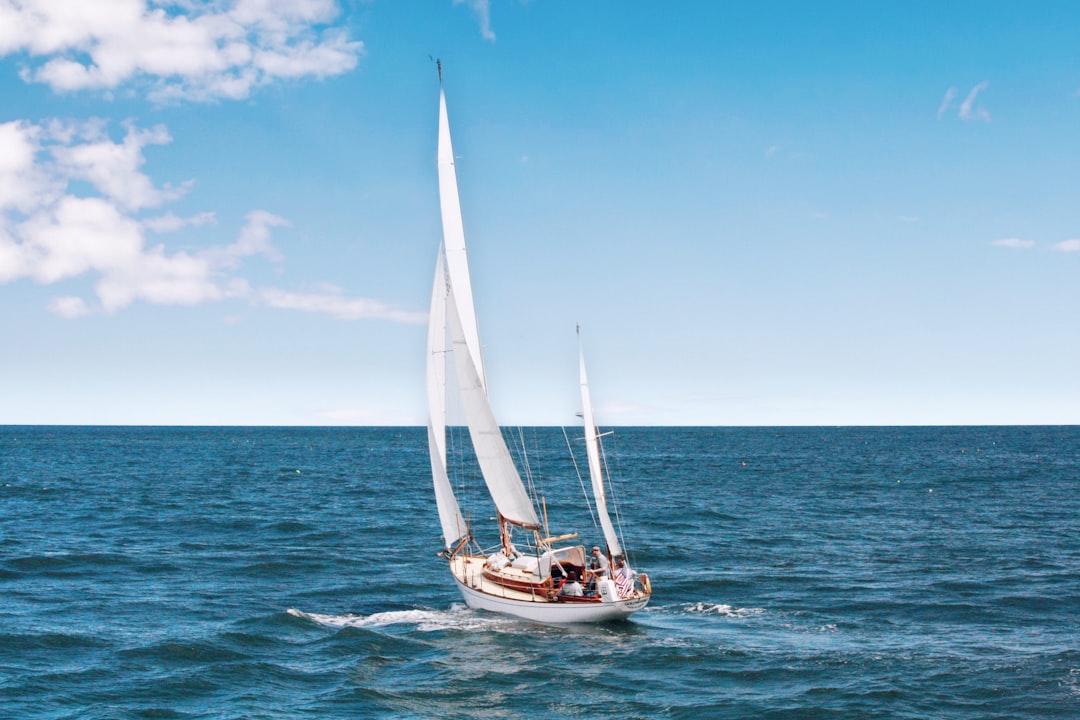
Light Sailboats
Mod I
Maximum Bore: 45mm
Medium Sailboats
Mod II Easy Lok
Bore 1.25" and smaller

Medium Sailboats
Mod II Easy Lok
Bore greater than 1.25"

Medium Sailboats
Mod II Easy Lok
Bore 2" or greater
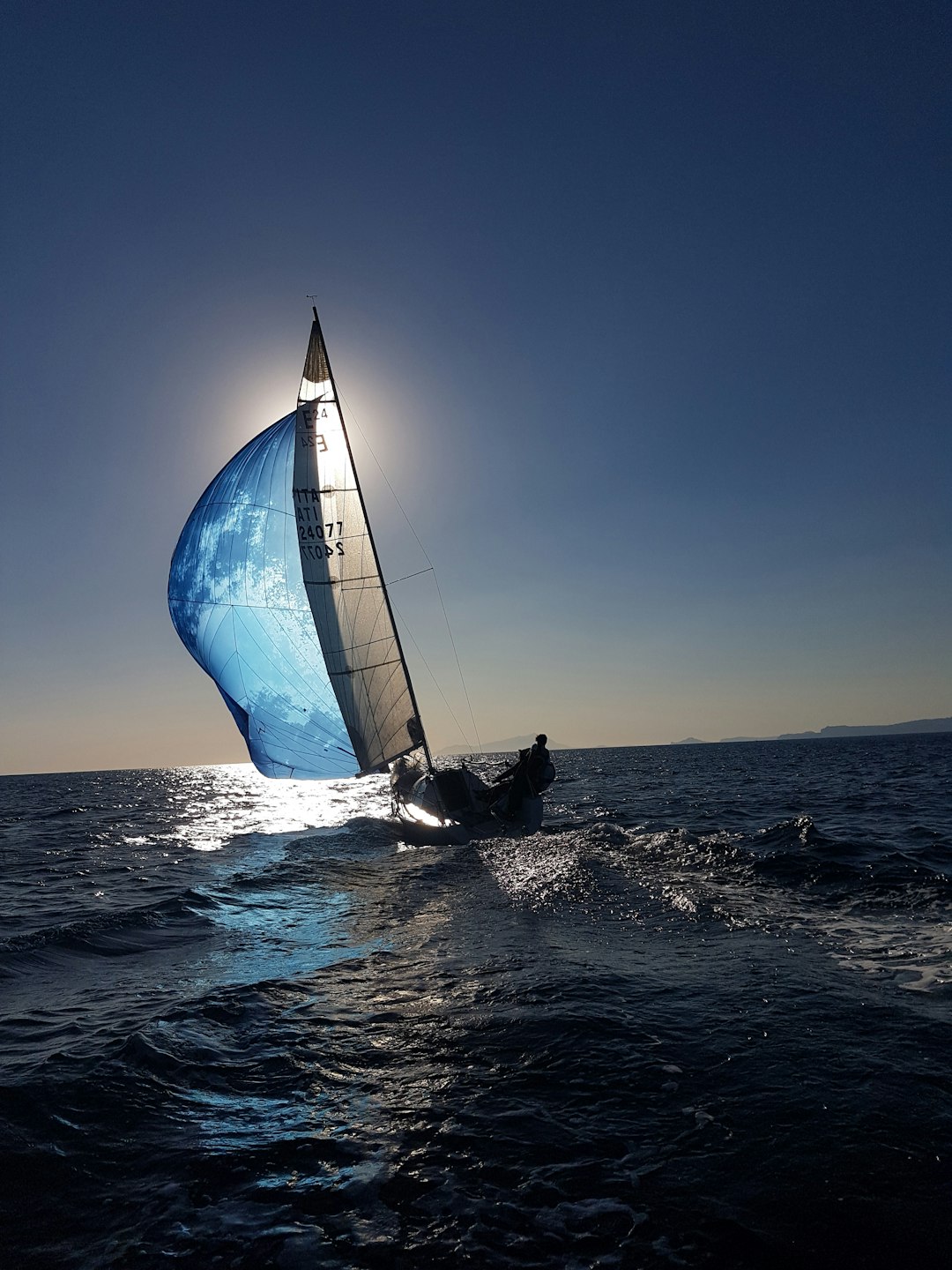
Medium Sailboats
Mod II Easy Lok High Torque
Max Bore of 2.25" or greater

Heavy Sailboats
Mod III Easy Lok
Bore 64mm and smaller

Heavy Sailboats
Mod III Easy Lok
Bore 65mm to 80mm
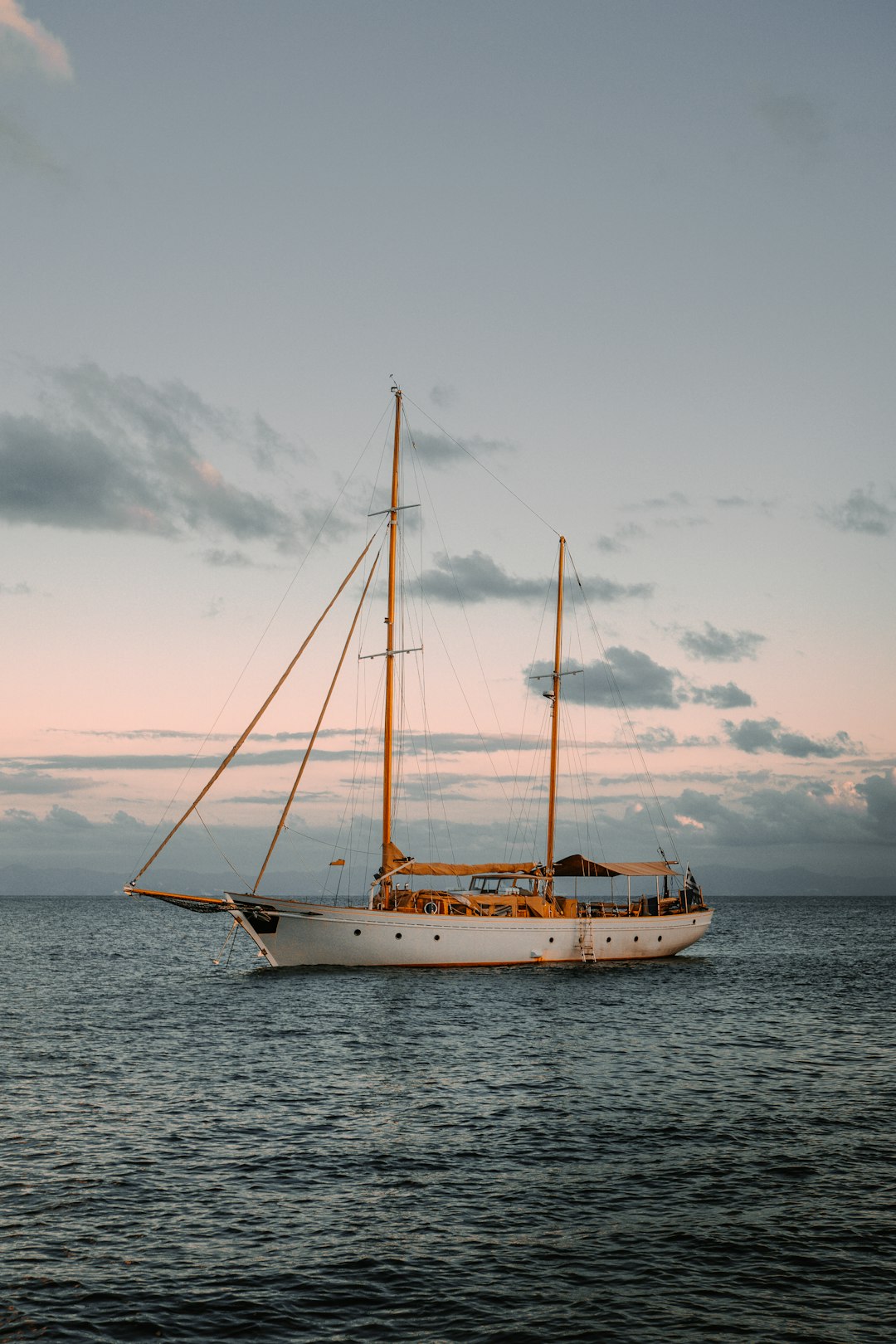
Heavy Sailboats
Mod III Easy Lok High Torque
Max Bore of 80mm

Hauling Boats
Mod IV Easy Lok High Torque
Maximum bore is 110mm
Hauling Boats
Mod V Easy Lok High Torque
Maximum bore to be determined.
Hauling Boats
Mod VI Easy Lok High Torque
Maximum bore 6.5"

Replacement Parts
New Springs | Pins
Get a pair of new springs to engage the locking pin on your Shaft Lok.

Replacement Parts
Control Cable
This is a marine control cable. Specify length during order.
Replaces Marine Cable
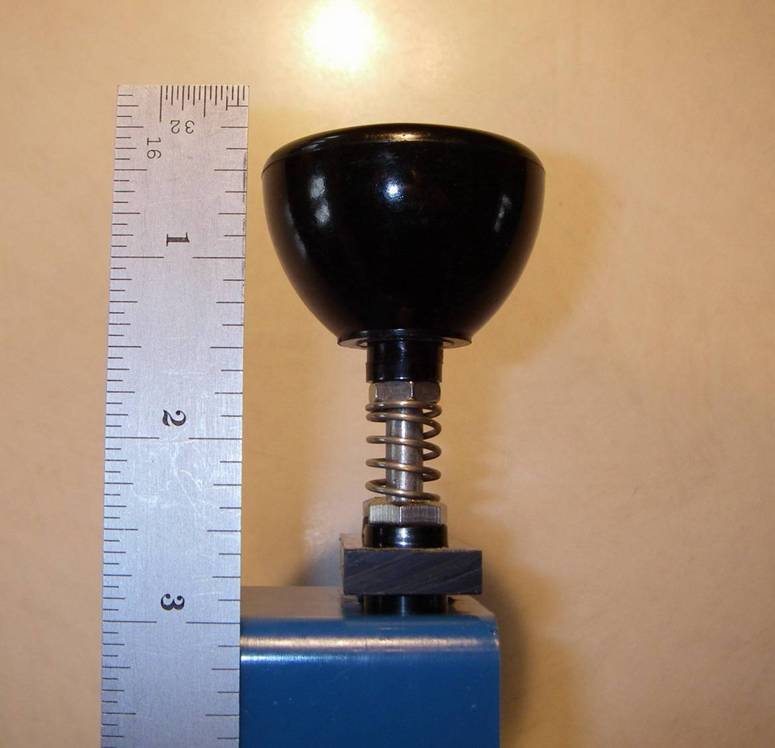
Simple Spring Locking System
Determine the length you need to engage your new Shaft Lok from your cockpit.
The best way to make sure the Shaft Lok unit will fit is to use a cardboard rotor template cut in half; 4 1/8 inches diameter for the Mod I Easy Lok, 6.75 diameter for Mod II Easy Lok and 11.75 for Mod III Easy Lok unit with centered hole for propeller shaft. Cut a loading slot into the cardboard equal to the diameter of the propeller shaft then use the template in the engine room where the unit is to be installed.
Shaft Lok is a simple device of few moving parts. The upper part of the Housing contains a long locking pin and a short pin with a stainless steel spring and spring assembly screw. The unit is locked with a Shaft Lok Marine Control Cable (S.L.M.C.C.) or a Simple Spring Locking System (S.S.L.S.). The cable is fastened to the top of the housing with the palm knob positioned in the cockpit or where ever the owner decides.
The SSLS replaces the Cable. It is bolted to top of the housing with the Black Palm Knob a few inches above the housing. This means one has to enter the engine room to lock the unit.
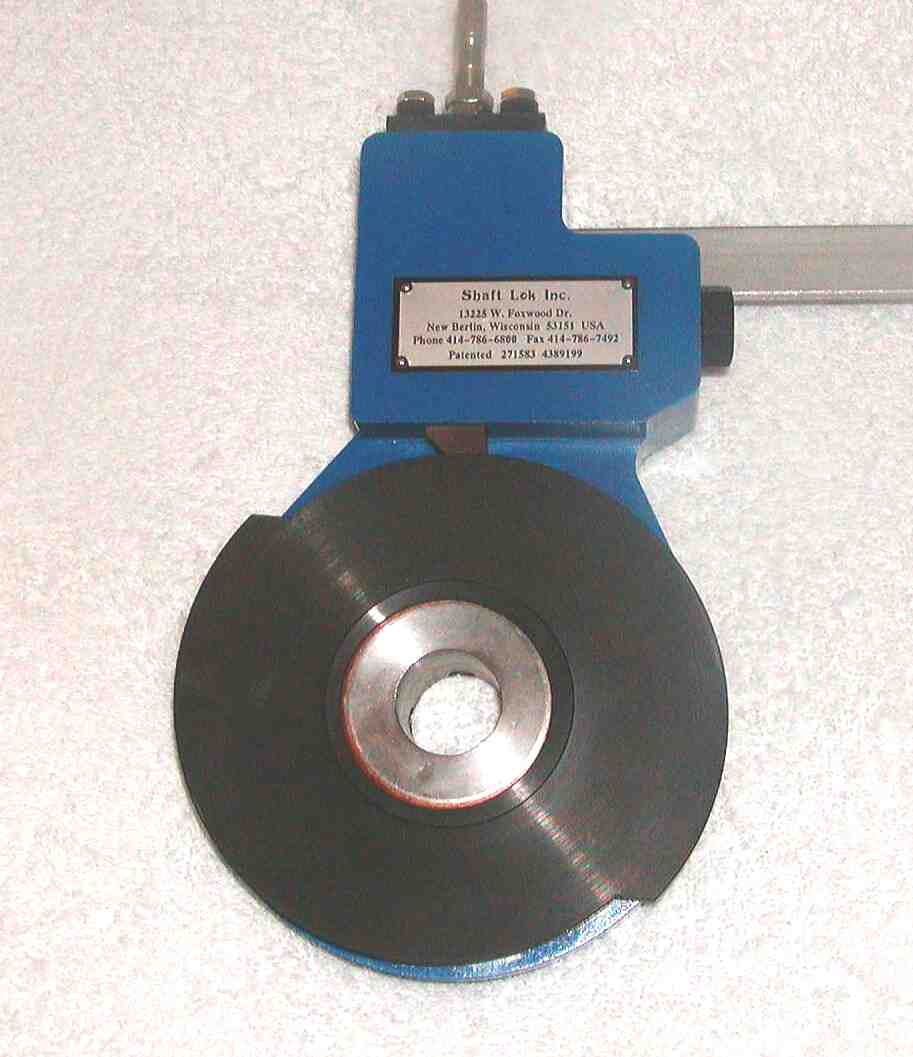
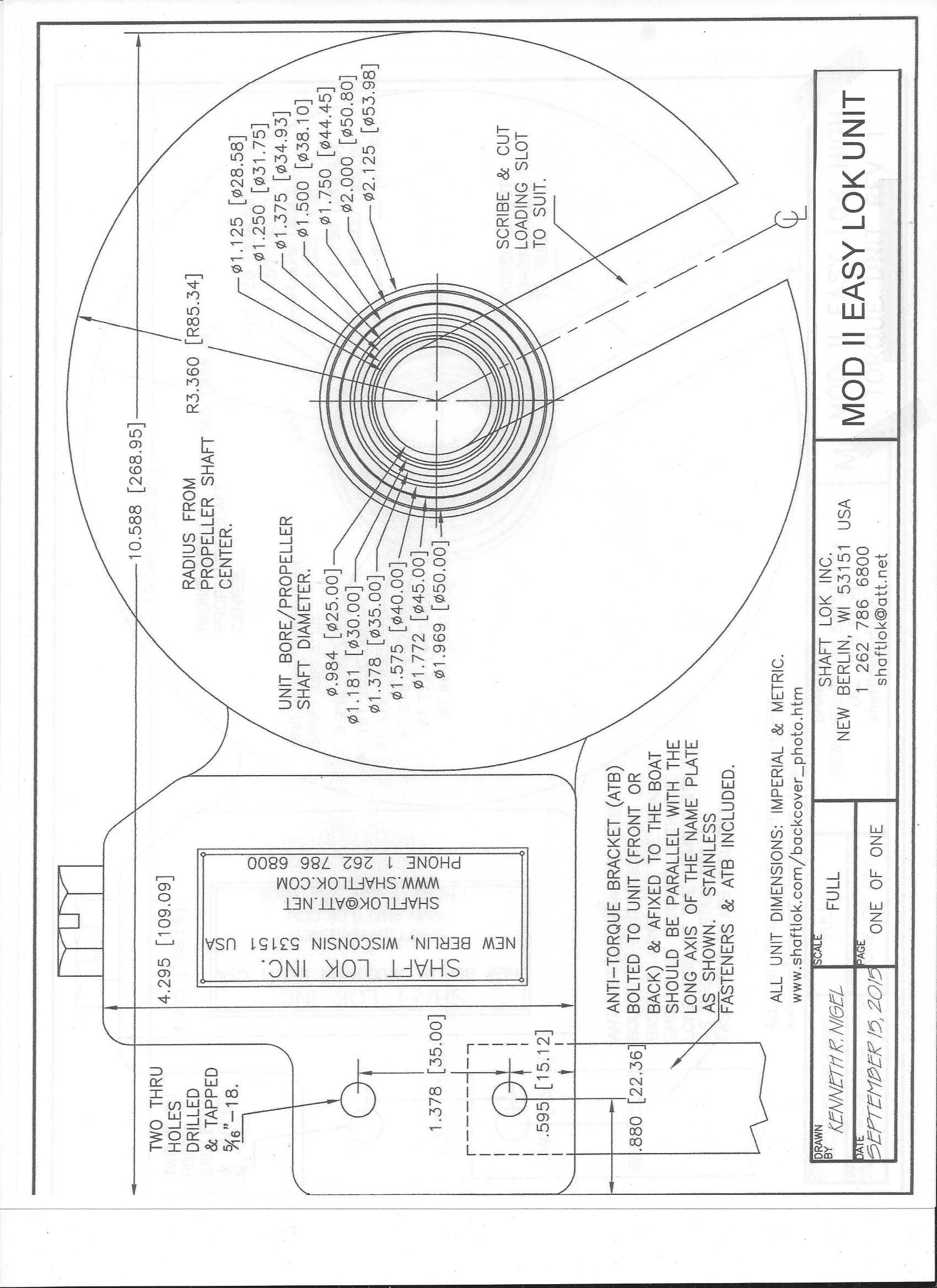
The lower section of the housing has a deep grove sealed ball bearing, which is maintenance free, contains the Black Rotating Disc & Stainless Steel Hub Assembly. The propeller shaft is installed into this Hub Assembly and secured with stainless fasteners.
To lock Shaft Lok when sailing press down on the Marine Control Cable or Simple Spring Locking System palm knob. The Control Cable has the long locking pin attached to the working end. The long pin engages the rotating disc locking it and hence the propeller from turning.
Inside the main housing along with the long locking pin is a spring loaded short pin that holds the long pin in locked and unlocked positions. The short pin and stainless compression spring is the heart of the unit. Shaft Lok resists the static torque generated by the stationary propeller as the yacht is sailing.
No electrical or hydraulic power required.
Sailors enjoy sailing with the "quiet" that Shaft Lok adds to the experience. Shaft Lok locks the propeller in the most efficient position with one blade vertical. This will produce the best boat speed, quiet operation and without transmission or propeller shaft bearing wear. The propeller is held stationary regardless of the yacht speed. All that is necessary to unlock the unit is to start the engine and engage the transmission. Shaft Lok automatically unlocks.
We'd love to hear from you!
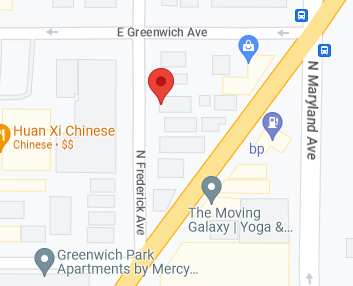
Milwaukee, Wisconsin 53211 USA
Phone: 1-262-786-6800
Email: Shaftlok@att.net
Contact: Anne Marie or Kenneth
Leave a message if the machine answers. We will return your call.
Open Monday through Friday 9am to 5pm Central Standard Time.
But, if the surf is up on Lake Michigan those hours are problematic.